Zero Down Car Lease: Your Ultimate Guide to Driving a New Car
Facts:
- A zero down lease means no capital cost reduction.
- Trending now: More dealerships offer zero down car lease deals.
How a Zero Down Car Lease Actually Works
Navigating the world of automotive financing can feel overwhelming, but one option that frequently captures consumer interest is the Zero Down Car Lease. This type of agreement allows you to drive a brand-new vehicle without making a significant down payment, also known as a capital cost reduction, at the beginning of the lease term. Unlike traditional leases or purchase financing that often require thousands of dollars at signing, a Zero Down Car Lease integrates most of the upfront costs, such as acquisition fees and taxes, into your monthly payments. This structure makes obtaining a new car more financially accessible for many individuals, but it is essential to fully comprehend the mechanics and long-term costs to decide if it is the most suitable option for your financial situation.
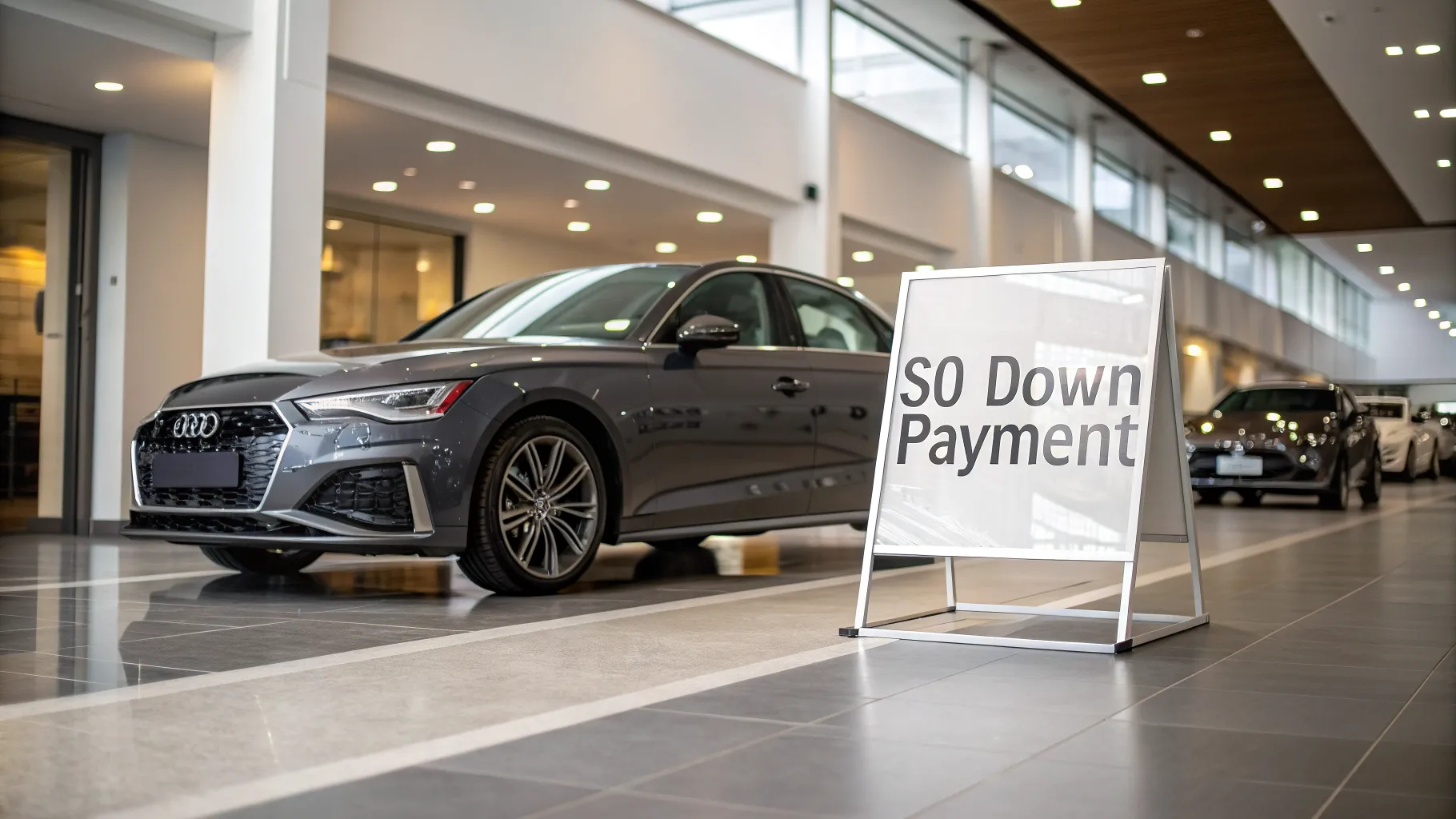
The Pros and Cons of a Zero Down Car Lease
Opting for a Zero Down Car Lease comes with a distinct set of advantages and disadvantages. The most obvious benefit is the minimal initial cash outlay, freeing up your savings for other purposes. This makes it an attractive option for those who need a new, reliable vehicle quickly but lack substantial funds for a down payment. However, this convenience comes at a cost. Because you are not paying anything upfront to reduce the capitalized cost of the vehicle, your monthly payments will be higher than they would be on a traditional lease for the same car. Furthermore, you will pay more in interest (or rent charges) over the life of the lease because the principal amount being financed is larger. It's a trade-off between immediate affordability and total long-term cost.
Understanding 'Sign and Drive' Offers
Dealerships often market a Zero Down Car Lease with catchy phrases like 'Sign and Drive.' While this sounds like you can walk in, sign papers, and leave with a car for free, it's not entirely accurate. A true Zero Down Car Lease means you are not making a capital cost reduction payment. However, you will almost always be responsible for certain 'at-signing' fees. These typically include the first month's payment, registration fees, title fees, and local taxes. It is crucial to ask the dealer for a complete breakdown of all due-at-signing costs to avoid any surprises. Always read the fine print to understand exactly what is covered under the promotional offer and what you will need to pay out of pocket.
Who Qualifies for a Zero Down Car Lease?
Because the lender is taking on more risk by not collecting a down payment, eligibility for a Zero Down Car Lease is typically restricted to individuals with excellent credit. Lenders look for a strong credit history and a high credit score, usually 700 or above, as an indicator of reliability. A solid credit report demonstrates a track record of responsible borrowing and on-time payments. If your credit is fair or poor, you will likely find it very difficult to be approved for a Zero Down Car Lease. In such cases, lenders may require a significant down payment or a co-signer to mitigate their risk, or they may decline the application altogether.
Key Steps to Secure the Best Deal
Finding a great Zero Down Car Lease requires diligence and negotiation. Being prepared can save you a significant amount of money over the lease term. Here is some actionable advice to guide you through the process:
- Check Your Credit Score: Before you even step into a dealership, know your credit score. This will give you an idea of whether you'll qualify for the best promotional offers for a Zero Down Car Lease and provide leverage in negotiations.
- Research Manufacturer Incentives: Car manufacturers often run special lease deals directly. Check their official websites for national or regional offers on the models you are interested in. These are often the most competitive deals available.
- Negotiate the Car's Price: Even with a lease, the vehicle's selling price (the capitalized cost) is negotiable. A lower price will result in lower monthly payments. Negotiate this figure just as you would if you were buying the car outright.
- Read the Fine Print: Pay close attention to all terms in the lease agreement. Understand the mileage limits, wear and tear policies, and any potential end-of-lease fees. A seemingly good Zero Down Car Lease can become expensive if you exceed the mileage allowance.
Alternatives to a Zero Down Car Lease
If a Zero Down Car Lease isn't the right fit, or if you don't qualify, several other options are available. You could consider a traditional lease with a small down payment. Even paying $1,000 to $2,000 upfront can significantly lower your monthly payments and the total interest paid. Another alternative is financing a certified pre-owned (CPO) vehicle. CPO cars are often only a few years old, come with a warranty, and have a much lower purchase price, resulting in more manageable monthly payments. Finally, you could purchase a less expensive new or used car outright if you have the savings, which eliminates monthly payments and interest charges entirely.
Frequently Asked Questions
Is a Zero Down Car Lease really free when I sign?
Not completely. While it eliminates the capital cost reduction or 'down payment,' you are typically still responsible for paying the first month's lease payment, taxes, tag, and title fees at the time of signing. Always get a detailed breakdown of all due-at-signing charges from the dealer.
Will a Zero Down Car Lease impact my credit score?
Yes. When you apply, the lender will perform a hard credit inquiry, which can temporarily lower your score by a few points. The lease itself is a form of debt, and your consistent, on-time payments will be reported to credit bureaus, which can help build your credit history over time.
Can I get a Zero Down Car Lease with bad credit?
It is highly unlikely. These offers are almost exclusively for consumers with excellent credit scores (typically Tier 1 credit, often 720 or higher). Lenders see these leases as higher risk and reserve them for the most creditworthy applicants.
References
- The Official Guide to Automotive Leasing
- Consumer Financial Protection Bureau Reports on Vehicle Financing
- Major Automotive Manufacturer Financial Services Programs
- Credit Reporting Agency Guidelines
Authored by My Favorite Cars team