How to Find Quality Used Military Tracks on Sale
Fast Facts:
- Global demand for heavy equipment parts is rising.
- The market for surplus military vehicles for off-road enthusiasts and collectors is expanding.
Unearthing Exceptional Value in Used Military Tracks
Navigating the market for used military tracks can be a challenging yet highly rewarding endeavor for those seeking robust, durable components for heavy machinery, specialized vehicles, or even historical restoration projects. These aren't just any tracks; they are designed for extreme conditions and offer unparalleled resilience. Finding quality used tracks requires a strategic approach, a keen eye for detail, and an understanding of the unique characteristics that define their value and longevity.
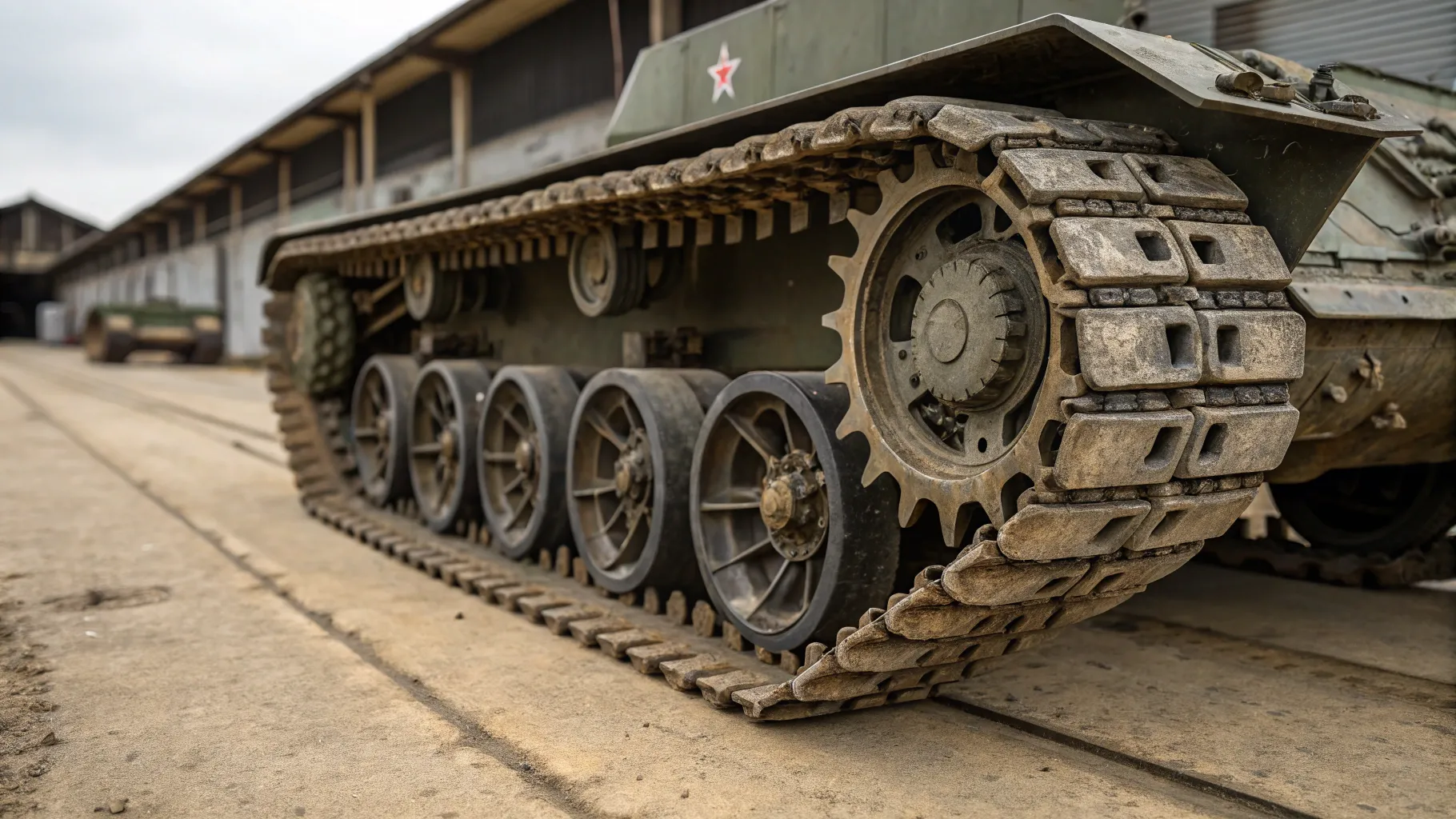
Key Considerations When Purchasing Used Military Tracks
When embarking on the search for used military tracks, it is paramount to move beyond simply identifying a seller and delve deep into the technical specifications and historical context of the items on offer. These components are not commodity parts; they are engineered for specific, demanding applications, and understanding their nuances is key to a successful purchase. Failing to consider critical factors can lead to costly compatibility issues, premature wear, or even safety hazards, undermining the very purpose of seeking durable military-grade components. A well-informed buyer approaches this market with a strategy that balances cost-effectiveness with performance and reliability, ensuring that the acquired tracks will meet or exceed expectations for their intended use.
Understanding Track Types and Compatibility
The world of military vehicle parts encompasses a wide array of track designs, each tailored for different terrain, vehicle weight, and operational speed. You might encounter steel tracks, rubber tracks, or even composite systems. Steel tracks are known for their extreme durability and traction in rugged environments but can be heavier and cause more ground disturbance. Rubber tracks offer better flotation, reduced ground pressure, and quieter operation, often found on lighter or more specialized vehicles. Crucially, understanding the pitch, width, and mounting system of the track is vital for ensuring compatibility with your existing equipment or project. Many civilian heavy machines use similar undercarriage designs, but exact fitment is rarely guaranteed without meticulous measurement and cross-referencing against manufacturer specifications. Incorrectly matched tracks can lead to accelerated wear on sprockets and idlers, reducing the lifespan of your investment in quality used tracks.
Assessing Wear and Tear
Even the most robust used military tracks will exhibit some degree of wear and tear, given their operational history. The challenge lies in distinguishing between acceptable, superficial wear and critical structural degradation that compromises performance or safety. A thorough visual assessment is the first step in any track inspection. Look for signs of significant metal fatigue, such as cracks in the track shoes or links, especially around bolt holes and pivot points. Excessive rust, deep gouges, or deformation of the grousers can indicate a harder operational life and diminished traction capabilities. Pay close attention to the condition of the rubber pads (if present), checking for significant chunking, delamination, or hardened, cracked surfaces, which can lead to rapid failure under load. Documenting these observations meticulously will inform your decision and provide leverage during negotiation.
Where to Source Quality Used Military Tracks
The avenues for acquiring used military tracks are diverse, ranging from large-scale government disposals to specialized commercial dealers. Each source presents its own advantages and disadvantages in terms of price, selection, and the level of vetting the products receive. Identifying the most suitable channel for your needs requires an understanding of the market's structure and the typical condition of items found within each segment. It's not just about finding tracks; it's about finding reliable, functional quality used tracks that offer genuine value for your investment, ensuring they perform as expected in their new role, whether for agricultural machinery, construction equipment, or other specialized applications.
Government Auctions and Surplus Sales
Government auctions and surplus sales, often managed by defense logistics agencies, are primary sources for authentic surplus military vehicles and their components, including tracks. These sales can offer incredible value, as items are typically sold 'as is, where is' to clear inventory rapidly. The benefit is the potential to acquire genuine, military-grade items at significantly lower prices than through commercial channels. However, the challenges are notable: limited opportunities for detailed pre-inspection, high competition, and the logistical complexities of transporting heavy, bulky items. Bidders must be prepared to conduct quick, on-site assessments and factor in potential repair or refurbishment costs. Success in this arena often requires patience, a strong understanding of auction dynamics, and the ability to mobilize quickly for collection of the purchased military vehicle parts.
Specialized Dealers and Online Marketplaces
Specialized dealers and reputable online marketplaces focusing on heavy equipment and military surplus offer a more curated buying experience for used military tracks. These vendors often acquire items from government sales, refurbish them if necessary, and offer them with a greater degree of inspection, sometimes even with limited warranties. The advantages include potentially better-vetted products, more detailed descriptions, and professional logistical support. However, these conveniences typically come with a higher price tag than direct auction purchases. When dealing with online marketplaces, scrutinize seller ratings, read customer reviews, and always request high-resolution photos or even video of the specific tracks you are interested in. A reputable dealer of quality used tracks should be transparent about the item's history and condition, providing confidence in your acquisition.
The Critical Importance of Thorough Track Inspection
A rigorous track inspection is arguably the most crucial step in purchasing used military tracks. Unlike many other vehicle components, the condition of tracks directly impacts a machine's mobility, stability, and operational safety. Skipping or rushing this stage can lead to severe operational failures, expensive repairs, and potential safety hazards. The inherent ruggedness of military-grade equipment can sometimes mask underlying issues, making a detailed and systematic approach to inspection essential. It's not just about looking; it's about knowing what to look for, understanding the implications of different types of wear, and making an informed judgment about the remaining service life and overall value of the military vehicle parts you are considering.
Visual Inspection Techniques
A comprehensive visual inspection for quality used tracks goes beyond a cursory glance. Begin by examining the entire track chain, section by section, looking for any signs of physical damage such as bent grousers, missing track pads, or damaged track links. Pay particular attention to the integrity of the track pins and bushings; excessive play or visible wear in these areas indicates a stretched chain, which can lead to de-tracking and premature failure of other undercarriage components. Check for cracks, especially around welds and stress points on the track shoes. Surface rust is often cosmetic, but deep, pitting rust could compromise structural strength. Additionally, if the tracks have rubber pads, inspect them for severe cracking, tearing, or detachment from the metal shoes, as this directly affects traction and ground protection.
Component-Specific Checks
Beyond the track chain itself, a thorough track inspection must include a detailed assessment of the associated undercarriage components, which are often sold alongside or are integral to the track system. Inspect the drive sprockets for excessive wear on the teeth, which can lead to poor engagement and accelerated track wear. Idlers should be checked for smooth rotation and proper alignment; seized or wobbly idlers indicate bearing failure. Rollers, both carrier and track rollers, need to be examined for flat spots, chipping, and proper rotation. Leaks around roller seals can indicate internal damage and lubricant loss. The condition of these auxiliary military vehicle parts is directly linked to the overall performance and lifespan of the used military tracks, and their repair or replacement costs must be factored into the total investment.
Navigating Pricing and Negotiation
Determining a fair price for used military tracks is complex, influenced by factors like condition, rarity, original application, and market demand. While government auctions might offer lower starting bids, the final price can escalate quickly. Specialized dealers typically have fixed prices, but negotiation is often possible, especially for multiple items or if you identify minor imperfections. Researching comparable sales and understanding the cost of new civilian tracks or refurbished military options will provide a strong basis for negotiation. Be prepared to walk away if the price doesn't align with the perceived value after your diligent track inspection. Leveraging detailed notes on wear and potential repair costs can strengthen your bargaining position, ensuring you secure quality used tracks at a price that reflects their true worth.
Actionable Advice for a Successful Purchase
- Research Thoroughly: Before committing, dedicate significant time to researching the specific type of used military tracks you need. Understand their original application, common failure points, and average lifespan. This due diligence will empower you during the inspection and negotiation phases, ensuring you don't overpay for substandard military vehicle parts.
- Verify Seller Credibility: Always purchase from sellers with a proven track record. For specialized dealers, check reviews, ask for references, and inquire about their sourcing process. For online marketplaces, look for detailed photos, clear descriptions, and seller ratings to gauge the reliability of the quality used tracks offered.
- Seek Expert Opinion: If you're not an expert in heavy equipment or military machinery, consider hiring a third-party inspector. A professional can conduct a comprehensive track inspection, identify hidden defects, and provide an unbiased assessment of the tracks' condition and remaining service life. This investment can save you significant costs down the line.
- Understand Logistics and Shipping: Used military tracks are heavy and bulky, making shipping a significant consideration. Get clear quotes for freight costs, insurance, and estimated delivery times before finalizing your purchase. Factor these logistical expenses into your overall budget to avoid unexpected costs for your surplus military vehicles components.
- Inquire About Documentation: Reputable sellers of quality used tracks often have some form of documentation regarding the tracks' origin, previous use, or maintenance history. While not always available for surplus items, any documentation can add value and confidence to your purchase, confirming the authenticity and providing insights into their past.
The Value Proposition of Used Military Tracks
The decision to invest in used military tracks often boils down to a compelling value proposition that balances cost savings with unmatched durability. While new civilian tracks might seem appealing, they frequently come with a substantially higher price tag and may not offer the same level of robust engineering designed for extreme conditions. Well-maintained used military tracks, especially those sourced through careful selection and a thorough track inspection, can significantly outperform many new commercial alternatives in terms of longevity and resilience. Their construction is inherently tougher, built to withstand harsh terrains, heavy loads, and prolonged operational cycles, making them an ideal choice for demanding applications. By choosing these durable military vehicle parts, buyers can achieve substantial savings without compromising on performance, ensuring their equipment remains operational and efficient for years to come. This strategic acquisition of quality used tracks represents a smart, economical decision for those prioritizing strength and extended service life.
Frequently Asked Questions
What are the common signs of wear to look for during a track inspection?
When inspecting used military tracks, common signs of wear include excessive pitting or corrosion on the metal components, visible cracks in the rubber pads (if applicable), stretched or loose track links, and significant wear on the drive sprockets and idlers. Pay close attention to the track shoes for bent grousers or missing bolts, which can compromise traction and structural integrity. Inspecting all these factors is crucial for assessing the overall condition and longevity of these military vehicle parts.
Can used military tracks be adapted for civilian heavy equipment?
Yes, used military tracks can often be adapted for civilian heavy equipment, but it requires careful planning and professional modification. Compatibility depends heavily on the specific track system and the civilian machine's undercarriage design. Factors like track width, pitch, and mounting points must align or be custom-fabricated. Consulting with a specialized fabrication shop or a heavy equipment mechanic experienced with surplus military vehicles and parts is highly recommended to ensure safe and effective integration.
What is the typical lifespan of quality used tracks from military surplus?
The typical lifespan of quality used tracks from military surplus can vary significantly based on their original use, storage conditions, and the intensity of their new application. Tracks that saw limited service or were well-maintained can offer many years of reliable performance. However, even well-inspected tracks might have accumulated hidden stresses. A thorough track inspection helps predict their remaining life, but generally, they are built to be more robust than most civilian counterparts, offering substantial durability.
Are there specific brands or manufacturers known for more durable military vehicle parts?
Indeed, certain manufacturers are renowned for producing exceptionally durable military vehicle parts, including tracks. Brands like Caterpillar, Komatsu, and various defense contractors (e.g., BAE Systems, General Dynamics) are often involved in manufacturing or supplying components for military applications. While specific "brands" for tracks themselves might be less prominent than the vehicle manufacturers, tracks originating from well-regarded military platforms are generally considered more robust and represent a better investment when seeking quality used tracks.
References
- Department of Defense Logistics Agency (DLA) Acquisition Reports.
- Heavy Equipment & Machinery Magazine Archives.
- Civilian Military Vehicle Enthusiast Forums and Communities.
- Industry Standards for Tracked Vehicle Component Wear.
Authored by My Favorite Cars team