Explore Salvage Vehicle Auction Insights and Opportunities
Understanding the Salvage Vehicle Auction Market
In recent years, the salvage vehicle auction industry has seen a remarkable surge, particularly due to escalating vehicle repair costs and shifting economic climates that impact consumer choices. As of 2025, more bidders are participating than ever, eager to acquire vehicles that insurance companies have classified as salvage. These vehicles often stem from accidents, natural disasters, or other impairments. But to truly take advantage of salvage vehicle auctions, buyers need to understand how this market operates.
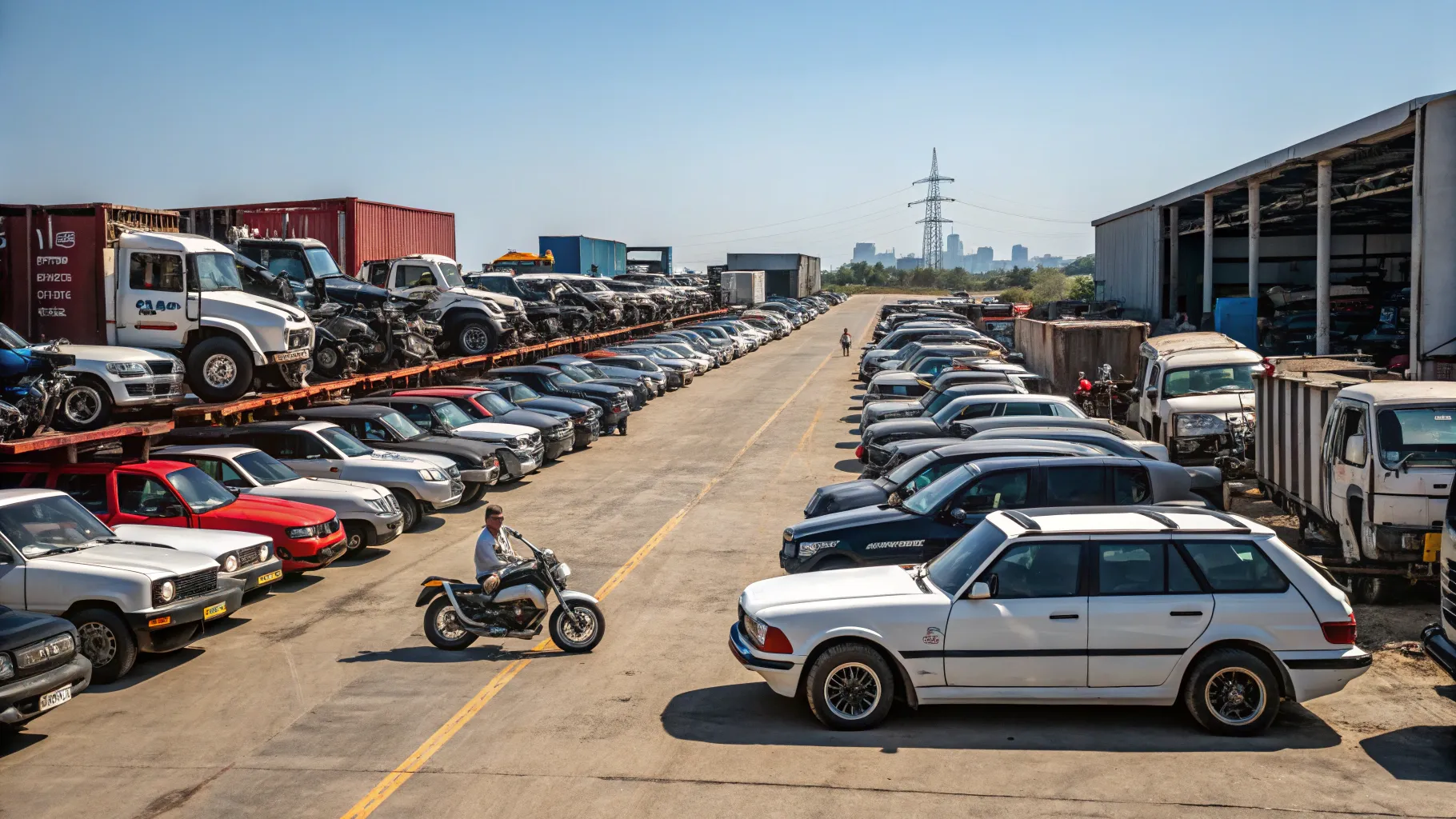
What Exactly is a Salvage Vehicle Auction?
A salvage vehicle auction serves as a venue where cars, trucks, motorcycles, and other vehicles, deemed total losses by insurance firms, are sold to the highest bidder. Typically, these vehicles appear on the market after suffering significant damage—whether from accidents, severe weather events, or other accidents resulting in their salvage status. Participating in salvage vehicle auctions presents a prime opportunity for buyers to acquire vehicles at considerably lower prices than those found in traditional sales channels.
In today's digital age, both public and online auction platforms have emerged, making it more accessible for virtually anyone interested in participating. Technology has played a pivotal role in simplifying the bidding process, allowing users to place bids from the comfort of their homes or wherever they may be in the world.
Advantages of Bidding on Salvage Vehicles
- Cost Savings: One of the most compelling reasons buyers flock to salvage vehicle auctions is the substantial cost savings. For instance, a vehicle worth $20,000 might be available at a salvage auction for as little as $5,000, based on the extent of damage.
- Diverse Options: Salvage auctions provide a vast array of vehicles, from sedans and SUVs to trucks and motorcycles, catering to various preferences and needs.
- Restoration Projects: For those who are DIY enthusiasts, salvage vehicles present exciting restoration opportunities. With expertise, effort, and dedication, many of these vehicles can be repaired and brought back to roadworthiness.
- Environmental Impact: Choosing to purchase salvage vehicles can also contribute positively to the environment by emphasizing recycling and repurposing, thus diminishing automotive waste in landfills.
As you delve into the world of salvage vehicle auctions, having a clear understanding of the process and its associated risks is crucial.
How to Participate in a Salvage Vehicle Auction
Engaging in a salvage vehicle auction involves preparation and knowledge. Here are the steps you should take:
- Conduct Thorough Research: Start by researching various auction houses, both online and physical. Several platforms, such as Copart and IAAI, boast extensive databases of available salvage vehicles.
- Create Your Account: Prior to engaging in online auctions, you must register for an account, which usually involves a registration fee or a deposit to showcase your commitment as a serious buyer.
- Inspect the Vehicle: Whenever feasible, visit the auction site and inspect the vehicle in person. While online platforms provide detailed images and descriptions, nothing compares to a physical inspection. Take note of any rust, damage, or other issues that may impact repair costs.
- Set Your Budget: Salvage vehicle auctions can become competitive; therefore, it is essential to establish a budget before you start bidding and firmly stick to it.
- Understand Salvage Titles: Most salvage vehicles come with a salvage title, indicating they have been declared a total loss. Understanding the implications of this title is vital as it can complicate registration in some states.
Challenges of Buying Salvage Vehicles
While the adventures of purchasing salvage vehicles may appeal to many, acknowledging the challenges awaiting buyers is equally important. By understanding these hurdles, you can make well-informed decisions.
- Repair Costs: Many salvage vehicles may demand significant repairs. They might be only partially operable or completely inoperable, necessitating a thorough evaluation of whether you possess the skills, time, and resources to handle the repairs.
- Title Complications: In 2025, many states enforce specific regulations regarding salvage vehicles, which could complicate the registration process. Researching these laws is critical before making a purchase.
- Lower Resale Value: Even after a successful restoration, salvage vehicles often hold less resale value than clean-titled cars. This consideration is crucial for buyers looking to eventually sell their vehicles.
Despite these challenges, the salvage vehicle auction market continues to thrive, offering rewarding opportunities for those ready to embrace them. Statistics indicate that over 2.5 million vehicles are auctioned as salvage vehicles annually in the United States, showcasing an ever-growing appetite for these vehicles.
As you navigate the salvage vehicle auction scene, equip yourself with knowledge and information. Learn from experienced buyers, seek advice in forums, and engage with communities focused on vehicle restoration and salvage vehicles. This vibrant world is filled with both excitement and potential—approach it with confidence, curiosity, and discernment.
Emphasizing diligence and curiosity can transform the experience of buying salvage vehicles from daunting to rewarding. Whether you are looking to save money, restore a vehicle, or simply explore different automotive options, salvage vehicle auctions can be a thrilling journey with ample opportunities awaiting those willing to engage fully.
Authored by MyFavoritesCars team