Effective Black Plastic Trim Restoration Techniques Guide
What is Black Plastic Trim Restoration
Black plastic trim restoration is the art of reviving the faded and often dull exterior plastics found in vehicles, household appliances, or garden furniture. If you own a car manufactured in recent years, you’ve likely noticed that the black plastic trim, which was once vibrant, can turn into a lackluster, gray, or chalky appearance over time due to exposure to the sun's UV rays, harsh weather conditions, or chemical cleaners. This process not only improves the aesthetic aspect of your vehicle or equipment but also protects the components from further deterioration.
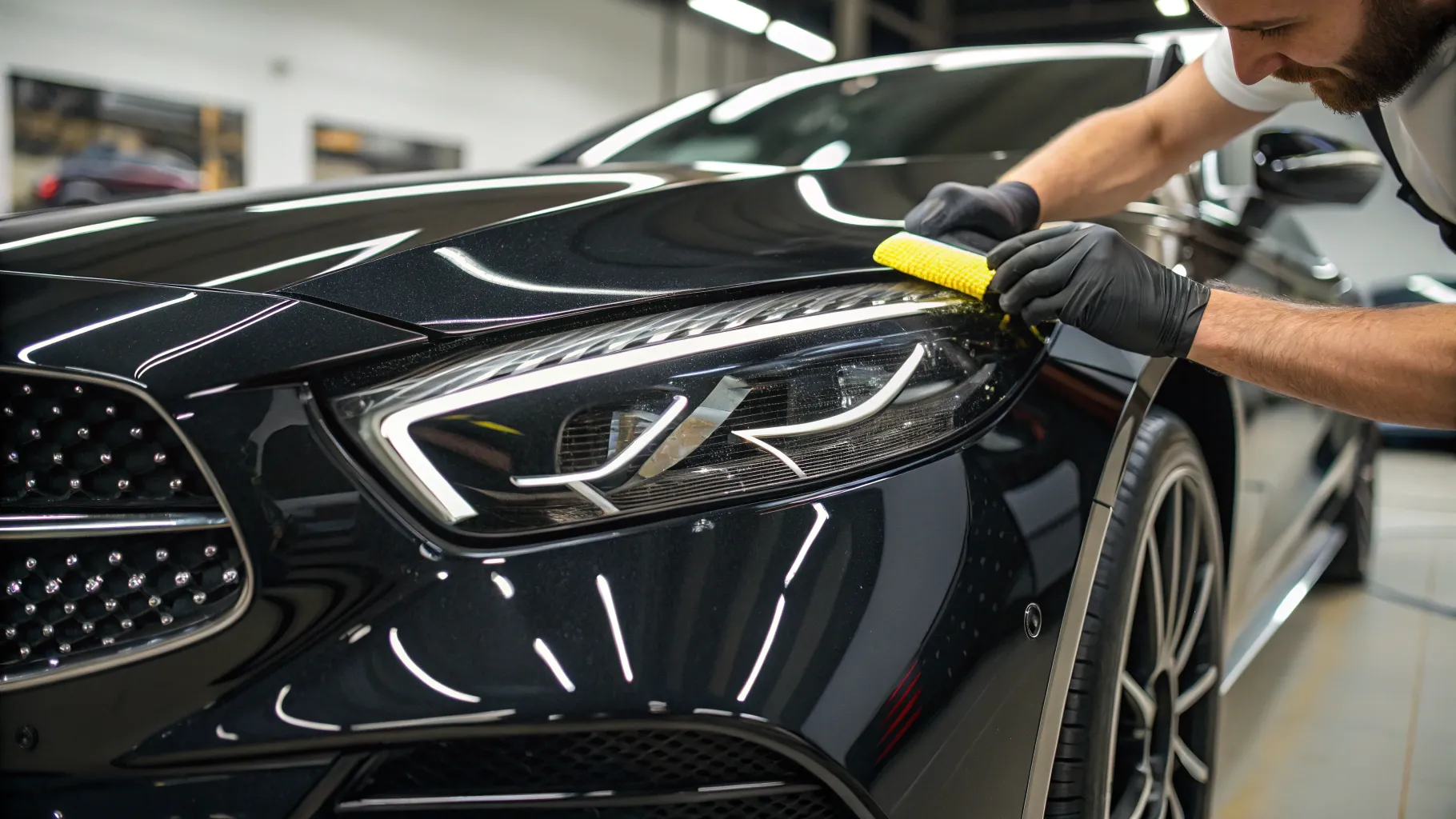
Why Is Black Plastic Trim Restoration Important
Investing in black plastic trim restoration is essential for various reasons. First and foremost, it significantly enhances the visual appeal of your vehicle or household items, making them look newer and well-maintained. A recent study conducted in the first half of 2025 indicated that vehicles with well-maintained trim can have a resale value increase of up to 15% compared to those with neglected surfaces.
In addition to enhancing aesthetic quality, proper restoration can extend the lifespan of the plastic components. The UV rays that cause fading also contribute to the material becoming brittle, leading to cracks and breakage. Regular restoration can keep these items resilient against the elements, ensuring they remain functional and appealing for years to come.
Methods of Black Plastic Trim Restoration
There are several effective methods to restore black plastic trim, each with varying levels of complexity and cost. Let’s explore some of the most popular techniques currently in use:
- Plastic Reviver Products: Numerous commercially available products specifically designed for black plastic trim restoration can work wonders. These are often easy to apply and include sprays, wipes, and creams. Popular brands include CarGuys and Meguiar's, which have seen a surge in popularity over the last six months, with users praising their ease of use and impressive results.
- Heat Gun Method: Using a heat gun is another effective way to restore faded trim. This method involves gently heating the surface of the plastic to bring back the original color. While it requires a steady hand, many DIY enthusiasts have successfully used this technique, particularly for deeper or stubborn damage.
- Rubbing Compound: For those dealing with heavily oxidized plastic, a rubbing compound can be a game changer. When buffed into the surface, it can remove the top layer of oxidized plastic and expose the fresh material underneath. Afterward, a protective product should be applied to seal in the restoration.
- Automotive Detailing: For those looking for a professional touch, many automotive detailing services now offer comprehensive restoration packages that include trim restoration as part of their service. Such packages can involve multiple steps for a high-quality finish.
How to Restore Black Plastic Trim at Home
Restoring black plastic trim at home can be quite rewarding, allowing you not only to save money but also to gain satisfaction from doing it yourself. If you’re wondering how to proceed, here is a step-by-step guide:
Step 1: Gather your materials. You will need a good quality trim restorer (spray or wipe), a soft cloth, and possibly a heat gun or rubbing compound if you choose to go for a more intensive restoration process.
Step 2: Clean the area to be restored. It’s crucial to remove dirt, grime, and any other contaminants before beginning the restoration. Use mild soap and water to properly clean the surface and dry it thoroughly.
Step 3: Apply the chosen restoration product according to the manufacturer's guidelines. Typically, this involves spraying the product from a distance and wiping it into the trim with a soft cloth to promote even coverage.
Step 4: Once applied, let the product dwell on the surface for the recommended time before buffing it in. This helps to ensure that the plastic absorbs the restoration agents provided in the product.
Step 5: For a long-lasting finish, consider applying a protective wax or sealant after the initial restoration. This helps to shield the trim from UV rays and other environmental factors.
Choosing the Right Product for Black Plastic Trim Restoration
With so many products available for black plastic trim restoration, selecting the right one can be overwhelming. It’s essential to consider a few factors:
- Type of Finish: Some products offer a matte finish, which might be more suitable for certain car trims, while others might enhance shine. Decide which finish will work best for your item.
- Durability: Look for products that are UV resistant and can withstand harsh weather conditions. This ensures that your restoration will last longer and continue to protect the plastic.
- Ease of Use: If you’re new to restoration, start with products that are user-friendly to avoid frustration.
- Compatibility: Always check if the product is compatible with the specific type of plastic used in your vehicle or item.
In summary, black plastic trim restoration is a timely process that not only revives the appearance of your possessions but also protects them. With the right products and methods, anyone can achieve professional-quality results. Black plastic is not just an aesthetic element in our cars or homes; it’s a critical component that deserves attention. By investing in restoration, you not only enhance the beauty and longevity of your items but also contribute importantly to their overall market value.
Authored by My Favorite Cars team