Car Torque Converter Replacement Service Explained for You
Understanding Car Torque Converter Replacement Service
A torque converter is a crucial component in automatic transmission systems, smoothly transferring power from the engine to the transmission. Understanding when and why you might need a car torque converter replacement service is essential for maintaining your vehicle's performance and longevity. Whether you're experiencing slippage, overheating, or unusual noises, these symptoms can indicate that your torque converter may be malfunctioning and in need of replacement.
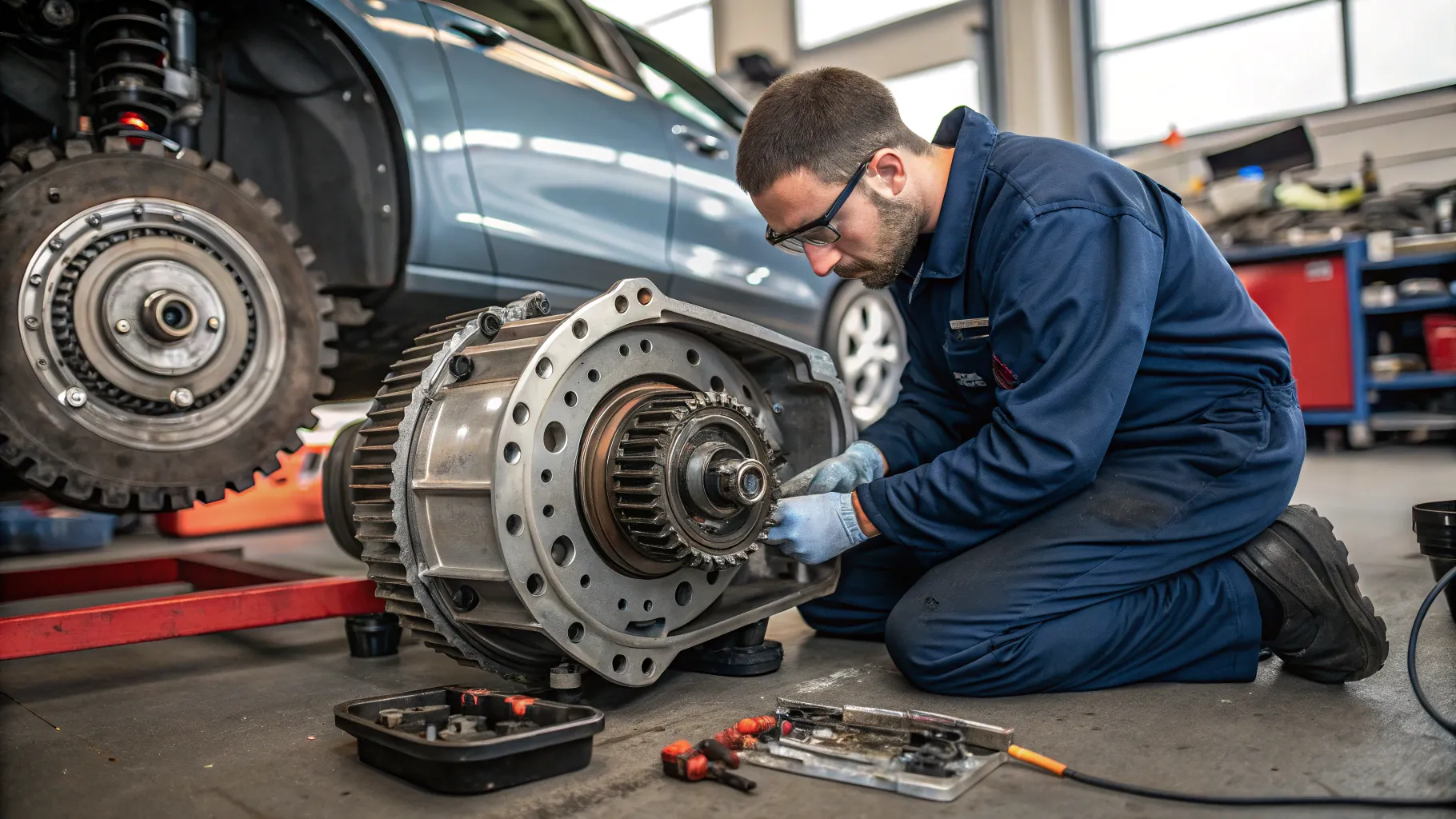
Signs You May Need a Torque Converter Replacement
Recognizing the signs of a failing torque converter can save you significant time and money in repairs. Here are some key indicators:
- Slipping: If your vehicle feels like it's losing power or has delays in acceleration, it may be due to a slipping torque converter.
- Overheating: A failed torque converter can cause the transmission to overheat, which may lead to more extensive damage if not addressed promptly.
- Unusual Noises: Grinding or whining noises coming from the transmission can indicate internal issues with the torque converter.
- Check Engine Light: If this light activates, it can be a warning of various transmission issues, including problems with the torque converter.
- Fluid Leaks: Inspect for transmission fluid leaks under the car. Low fluid levels can drastically affect torque converter functionality.
For instance, a family in Phoenix recently faced a significant performance drop in their SUV. After experiencing slippage and overheating during a long trip, they sought a car torque converter replacement service. Their mechanic confirmed that the torque converter had completely failed, leading to a costly replacement but ultimately restoring their vehicle's reliability.
The Replacement Process
The journey to having your torque converter replaced involves several steps that ensure everything functions as it should post-repair. Here’s how the process generally unfolds:
1. Diagnostic Assessment
The first step is a thorough diagnostic assessment by a qualified technician. They may run various tests on your vehicle, including electrical and hydraulic tests, to confirm that the torque converter is the source of the problem.
2. Removal
Once confirmed, the technician will begin the removal process. This involves lifting the vehicle and taking off the transmission to access the torque converter. Depending on your car model, this can be a labor-intensive procedure.
3. Replacement
After removal, the old torque converter will be replaced with a new or refurbished unit. During this step, the technician will also inspect other transmission components for wear and tear, ensuring that any underlying issues are addressed.
4. Reassembly
Once the new torque converter is installed, the next step involves reassembling the vehicle. This is critical as improper assembly can lead to future issues.
5. Testing
The final step is rigorous testing to ensure that everything runs smoothly. The technician will test drive the vehicle to check for any leaks or irregularities and confirm that the new torque converter is functioning correctly.
Cost of Torque Converter Replacement Service
The cost of replacing a torque converter can vary widely, typically ranging from $800 to $1,500, depending on the vehicle make and model, labor costs in your area, and whether you're opting for a new or refurbished part. Some high-end vehicles may see costs upwards of $2,000, particularly if additional repairs are needed alongside the replacement.
For example, in cities like Los Angeles or New York, where labor costs tend to be higher, you might end up on the higher end of this spectrum. Conversely, regional mechanics may offer more competitive rates, particularly for mid-range vehicles. Paying attention to your vehicle's symptoms and opting for timely replacement can ultimately save you money by preventing further damages to your transmission.
Benefits of Professional Services
Choosing a professional service for your car torque converter replacement service offers several benefits:
- Expertise: Professional mechanics bring years of experience and technical skills, ensuring that the job is done right.
- Warranty: Reputable shops often provide warranties on parts and labor, giving you peace of mind in case of future issues.
- Time-Saving: DIY replacements can take significant time and often lead to mistakes. A professional can complete the job much quicker.
- Comprehensive Checks: Professionals will check for other related issues, possibly saving you from future repairs.
Ultimately, replacing a faulty torque converter is an issue of safety and reliability. Your vehicle relies on the proper functionality of this component to deliver optimal performance. Don't wait for minor issues to turn into major headaches—seek out a trusted service provider for your car torque converter replacement and drive with confidence.
As we navigate through the ever-evolving automotive landscape in 2025, understanding the intricacies of our vehicles empowers us to make better maintenance decisions. By investing in timely service, you’re not just enhancing your vehicle's performance; you’re also extending its lifespan and improving its resale value.
So, if you suspect issues with your torque converter, don’t hesitate. Reach out to a reliable mechanic today and ensure your vehicle gets back on the road smoothly and safely. After all, your car is an investment that deserves the best care possible.
Authored by My Favorite Cars team