Buying Used Military Tracks: What You Actually Need to Know
Let’s be real, buying military surplus isn't like shopping on Amazon. There’s a massive market right now for used military tracks, and it's not just for collectors. People are buying them up for heavy-duty farming, construction, and some pretty wild custom off-road builds. Asking why?
Because military gear is over-engineered by design. These tracks are built to take a beating that would snap a civilian component in half. But if you don't know what you're looking for, you can end up with a very expensive, multi-ton pile of scrap metal.
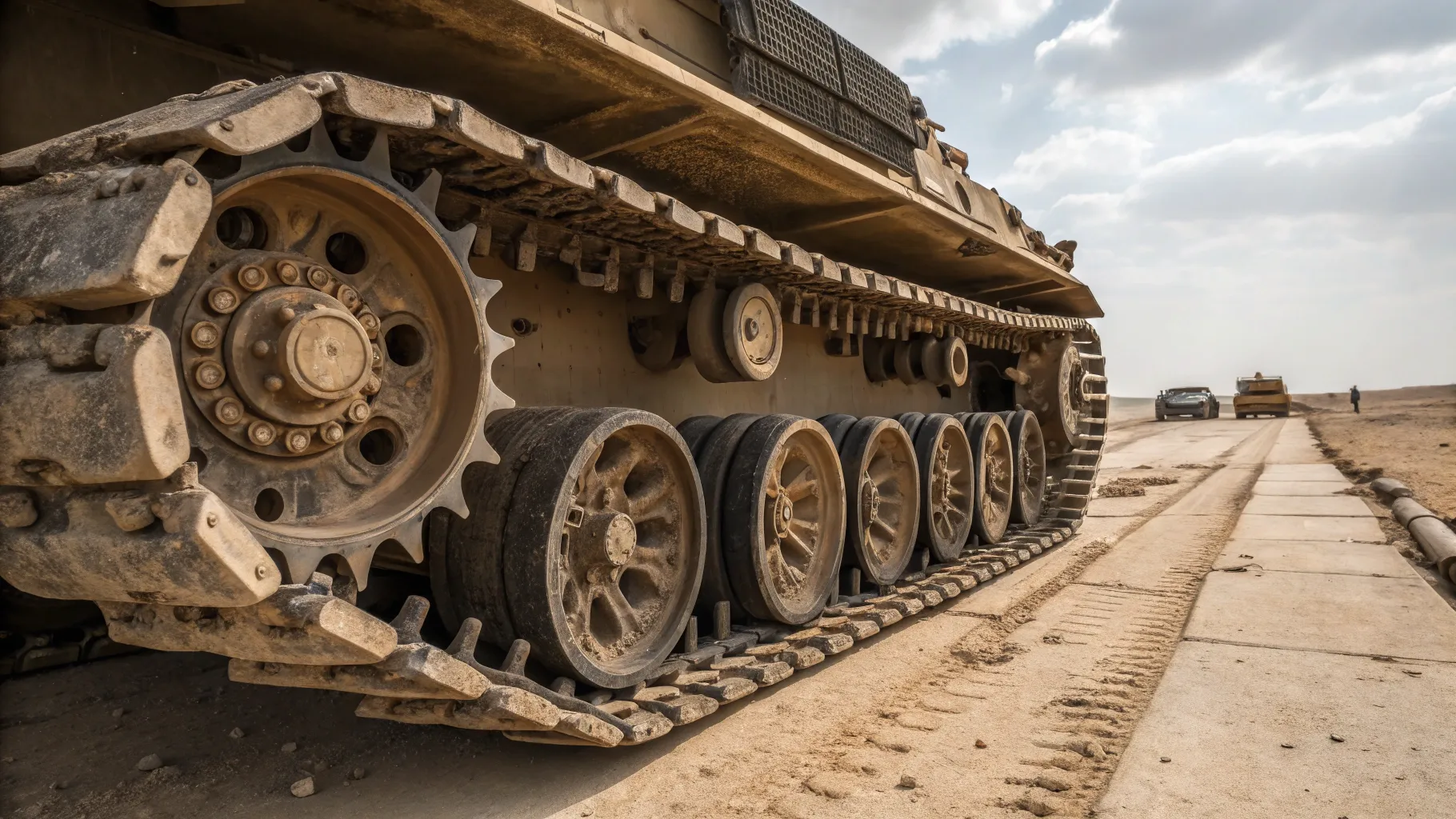
Where Do People Get This Stuff?
Most of these tracks start their journey at government auctions. When the military decommissions a fleet, they sell off the parts. It’s the cheapest way to buy, so if you bid on junk, you own junk.
Then you have the specialist dealers. These guys buy in bulk from the auctions, sort through the mess, and sell the good stuff. You’ll pay a premium, but they’ve usually done the dirty work of inspecting and cleaning them up for you.
You can also find them on forums or niche marketplaces, but that’s where you really need to do your homework on the seller's reputation.
The Dealbreaker Checklist:
Before you buy, you need to look at a few critical things:
- Check the rubber pads to see if everything is okay with them. Look at the steel links, if they’re bent or warped, walk away.
- The Pins and Bushings: This is where most tracks fail. If there’s too much slop or play in the connections, the track is stretched out and won't stay on the machine.
- Compatibility: This is huge. You can't just make it fit easily. You need to match the pitch, width, and weight rating to your specific vehicle or project.
- The Logistics Nightmare: These things are incredibly heavy. You can’t just throw them in the back of a pickup. You’ll need a flatbed and a forklift, and the shipping costs alone can sometimes double your budget.
Why Bother?
If you’re working in deep mud, swamps, or rocky terrain, nothing beats a military-grade track. They distribute weight so well that a massive machine can float over soft ground where tires would just dig a hole. Plus, they’re almost impossible to puncture. For a farmer or a contractor working in rough conditions, it’s a game-changer for durability.
Pro Tips for Not Getting Ripped Off
- Do Your Research: Know exactly which vehicle the tracks came off of. Tank tracks is too vague, you need to know if they're for an M113, a Bradley, or something else.
- Check in Person: If you can, touch them. Pictures can hide a lot of rust and wear. Take a pry bar and see how much the links move.
- Check the History: If the seller has maintenance logs or knows the hours on the tracks, that's gold. Tracks used for training on a base are in much better shape than those that saw real action.
- Factor in the Hidden Costs: Always get a shipping quote before you pay. And check your local laws most of the time it's fine, but some places have weird rules about owning demilitarized hardware.
Quick Recap (FAQ)
Where to buy?
Government auctions, surplus dealers, or specialized heavy equipment sites.
What’s the main thing to check?
Pin wear and rubber delamination. If the pins are shot, the track is junk.
Authored by My Favorite Cars team